Oral Cancer Screening
 Oral Cancer Screening That Saves Lives & Catches It Early
Oral cancer is a major health problem in developed nations and Jamaica is at particular risk because of factors such as smoking, alcohol, and HPV. Survival can be greatly enhanced by early detection during routine screening which would reduce the application of aggressive treatments. Jamaica 26 dentistry will aim to address this problem through progressive oral cancer screening as part of any routine dentist visit, patient education programs as well as encouragement of active health models.
The article will explore the efficient screening procedures, their advantages, and frequently asked questions and affirms the essential role of dental practitioners in Jamaica in fighting oral cancer more than ever before, particularly among high-risk groups where society lacks awareness and availability of care.
Understanding Oral Cancer
What Is Oral Cancer?
Oral cancer refers to cancers of the mouth, lips, tongue, and the throat and the most common type of oral malignancy is that of squamous cell carcinoma. It is something that affects thousands of people throughout the world and is usually associated with a particular risk factor which is dependent on the region in terms of which one can be differentiated.
Risk Factors and Local Relevance
The factors which mainly increase risk of oral cancer include use of tobacco (either through smoking or chewing), excessive alcohol intake and HPV infection. Whereas chewing of betel quids contributes to the high incidence risk in South Asia, local issues such as smoking and HPV should be of great concern. Oropharyngeal cancer associated with HPV is on the increase, especially in younger groups of the population.
Challenges in Diagnosis
A large number of cases are identified in the advanced stages which makes it hard to treat and causes low survival rates. Low understanding of symptoms like unstable sores, lumps, and pain is a contributing factor to the delay. Dental care is also limited in rural settings, so patients have no idea they are supposed to use it.
Role of Dental Professionals
Dentists play a critical role in the detection of early signs when individuals visit them regularly, and they close the parallels in the field of population health. Jamaica 26 Dentistry aims to screen and educate more people to combat the burden of oral cancer by screening early and getting the word out to the community and making sure more people are getting the care they need when they need it.
Importance of Early Detection
Improved Outcomes
Identifying oral cancer early allows for less invasive treatments, enhancing recovery chances and preserving quality of life.
Targeting High-Risk Groups
Screening programs, like those studied in Taiwan (National Cancer Institute), show reduced mortality in groups like tobacco users.
Catching Precancerous Lesions
Routine screening detects oral potentially malignant disorders (OPMDs), such as leukoplakia, before they progress to cancer.
Role of Dental Visits
Without national screening programs, dental clinics serve as the frontline for opportunistic screening, making regular checkups vital.
Patient Empowerment
Encouraging patients to report symptoms like persistent sores or difficulty swallowing ensures timely intervention.
Oral cancer detection at an early stage greatly enhances the prognosis of the disease because the condition can be detected prior to its development. Jamaica 26 Dentistry educates the staff to identify minor indications of the problem during examinations and encourages patients to notify unusual symptoms, eliminating the need of such treatment. With an emphasis on early intervention, the clinic will provide increased chances of recovery and underline the significance of early dental care.
Oral Cancer Screening Methods
Step 1: Conventional Oral Examination (COE)
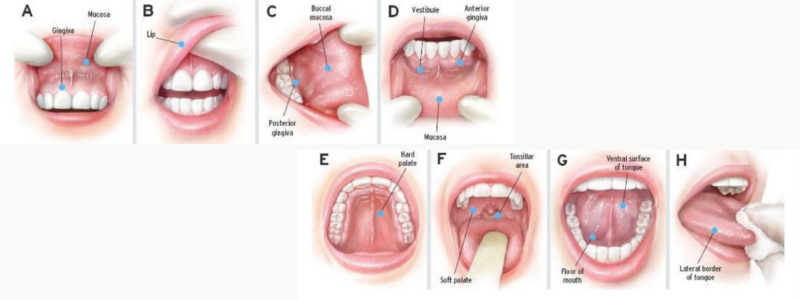
The COE is the pillar of screening and it is a non-invasive visual and tactile examination proposed by the American Academy of Oral Medicine. It only takes approximately 90 seconds during normal dental appointments to detect suspicious lesions such as the red or white spots, ulcers, and lumps.
Step 2: Adjunctive Technologies
For enhanced detection, Jamaica 26 Dentistry may use tools like toluidine blue vital rinsing to highlight abnormal tissues or VEL scope, which employs fluorescence to reveal tissue changes. These approaches are conducive to COE, especially for high risk patients, including smoke or drinker patients, etc.
Step 3: Brush Biopsy for Suspicious Lesions
Brush biopsy is a non-invasive method that is used to examine suspicious lesions and harvest cells to be evaluated in the lab. It can be used in addition to a definitive scalpel biopsy but is not a replacement as it can be used to help screen for possible abnormalities early.
Step 4: Referral for Specialist Evaluation
When any suspicious lesions are detected, patients are then referred to specialists at the clinic to carry out other clinical tests, including a scalpel biopsy to determine whether the lesion is cancerous. This guarantees early diagnosis and a treatment plan.
Step 5: Patient Education and Follow-Up
Jamaica 26 Dentistry informs the patients about their risk factors including tobacco use and induces screening during every visit. It has limitations because adjunctive tools thus far have no evidence of decreasing mortality relative to COE, and individuals at risk of developing problems are likely to skip routine care. The clinic responds to it with a focus on the issues of education and accessibility, which is designed to meet local needs in terms of holistic care.
How Jamaica 26 Dentistry Promotes Screening
Jamaica Jamaica 26 Dentistry In Jamaica Incorporating oral cancer screening into all dental visits, Jamaica Jamaica 26 Dentistry is pioneering dental screening by taking advantage of the recommendations of the American Dental Association. To raise awareness of the dangers of oral cancer and the need to diagnose it early, the clinic participates in community outreach programs to educate populations that are underprivileged on the same issues. Educational resources also help the patient learn how to conduct monthly self-exams, including checks for lumps, sores, or discolorations with the help of a mirror.
Individuals who are at high-risk status like smokers, heavy drinkers, and HPV-positive get counseling on reducing risk like giving up smoking. The clinic discusses the avenues of cost-saving adjunctive tools to improve screening where it is made accessible to communities of different places.
Challenges and Opportunities
Poor awareness of risks of oral cancer and inadequate access to dental care in the rural regions are major issues, as this results in delayed diagnoses in the late stages. In absence of a national screening initiative, most of the cases are not identified at the early stages. Nevertheless, there are chances to have it better.
Jamaica 26 Dentistry Outreach also informs the communities about self-exams and ways to reduce risks, i.e., quitting tobacco. Promoting screening of populations at high risk of HPV infection such as smokers, and working with community public health initiatives towards managing HPV are ways of making prevention more effective. The clinic will increase the possibilities to screen and educate individuals to minimize the risk of oral cancer, providing people with new opportunities to focus on their oral health.
Conclusions
Oral cancer screening acts as an early identification component that can save lives and enhance the quality of life due to increased chances of treatment success. Jamaica 26 Dentistry is ahead of the curve by performing screenings as part of regular care and relying on traditional tests and educating the patient to diagnose problems at an early stage. In the presence of such obstacles as low awareness, outreach and targeting the vulnerable groups by the clinic can be a possible solution. Readers are advised to have regular dentist checkups, do monthly self-checks, and change their lifestyles to be healthier as in the case of abandoning smoking. Through increased awareness in the community and early diagnosis, Jamaica 26 Dentistry is committed to mitigating the effects of oral cancer and saving more lives through an early intervention.
FAQs
What is oral cancer screening?
Oral cancer screening is a non-invasive exam to detect cancer or precancerous lesions in the mouth, typically performed during a dental visit. It involves checking for abnormalities like sores or patches.
Who should get screened?
Everyone benefits from screening, but it’s critical for high-risk groups, including smokers, heavy alcohol users, and those with HPV exposure, as these increase oral cancer risk.
How often should I get screened?
Screening is recommended every six months during dental visits. Monthly self-exams at home help catch changes early, such as persistent sores or lumps.
What are the signs of oral cancer?
Look for persistent sores, red or white patches, lumps, pain, or difficulty swallowing that last more than two weeks. These warrant immediate dental evaluation.
Does screening hurt?
No, the conventional oral exam is painless and quick. Adjunctive methods, like rinsing, are also non-invasive and comfortable.