
Mouth Guards
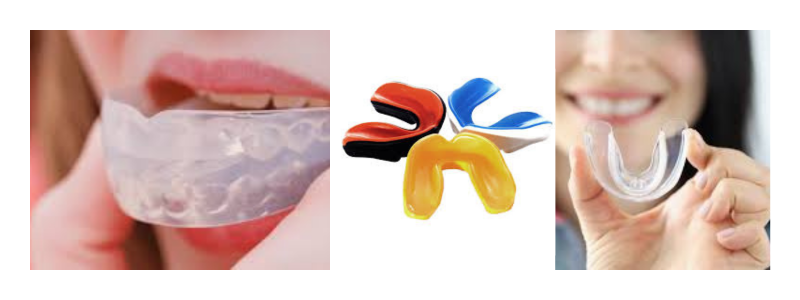
A bright and healthy smile is a true gift that boosts your confidence and overall well-being. If you are an athlete, warrior, or simply someone who cares about oral health, it is necessary to protect your teeth. One of the most effective tools to protect your teeth and gums is a mouth guard.
What is a mouth guard?
A mouth guard is a prosthetic device that is used to protect your teeth, gums, and jaw from injury. Most people wear mouth guards while playing sports or at night to prevent damage caused by grinding of teeth while sleeping. It acts as a protective shield between the upper and lower teeth to reduce the external forces.
The dentists at Jamaica 26 Dentistry prescribe mouth guards for both kids and adults to maintain dental health and prevent injuries.
What do mouthguards do?
Mouthguards are like helmets and help in protecting chipped, damaged, and cracked teeth. They also help in protecting the lips, tongue, and cheeks while playing sports. It also protects the teeth from grinding while sleeping at night. It also helps prevent enamel or jaw pain. It also protects the teeth of individuals who wear braces or dental implants.
Who needs a mouthguard?
Mouthguards aren’t limited to athletes. They can be used by a variety of people, such as:
- Players in contact sports.
- Those who grind their teeth at night.
- People with TMJ (Temporomandibular Joint) disorder.
- Adults or children seeking orthodontic treatment.
- Anyone with a history of facial injuries or dental trauma.
Types of Mouthguards
Mouth guards come in different styles and materials depending upon your needs, comfort, and budget.
1. Stock Mouth Guards
These are performed and ready to wear out of the package. They are inexpensive but often bulky, can interfere with speaking or breathing, and generally offer the least protection.
2. Boil-and-Bite Mouth Guards
These guards are softened in hot water and then molded to your teeth by biting down on the warm material. They provide a better fit than stock guards but may still feel bulky or uncomfortable for some users.
3. Custom-Made Mouth Guards
These are designed by dental professionals to fit your teeth perfectly. They offer the best comfort, protection, and durability, but tend to cost more than the other types. They specialize in creating custom guards that match your specific oral anatomy.
Benefits
Wearing a mouthguard offers various advantages:
- Prevents chipped or broken teeth
- Protects soft tissue like lips, cheeks, and tongue
- Reduces jaw fractures and neck injuries
- Relieves the symptoms of TMJ (temporomandibular joint)
- Improves sleep by minimizing grinding
- Prevents long-term dental costs due to trauma
How to choose the right mouthguard?
Choosing the right mouthguard depends on your needs. If you play sports, you may need a strong and durable mouthguard. If you grind your teeth at night, a custom night guard is the best choice. Boil-and-bite types are good for those who need quick protection at a low cost. People with braces or dental work should use special guards that offer more flexibility. Children should use soft, comfortable mouthguards that fit their growing mouths.
The team at Jamaica Dentistry 26 can help you select the best mouthguard based on your age, dental condition, and lifestyle.
Mouth guard for grinding
Most of the people grind their teeth without knowing while sleeping; this condition is called bruxism. It damages the enamel and causes jaw pain and broken teeth. A mouthguard made for grinding is worn at night and protects your teeth by creating a barrier between your upper and lower jaw. It is used to reduce the pressure on jaw muscles. They create custom mouth guards that are comfortable and fit well, so you can sleep peacefully without worrying about damaging your teeth due to unconscious grinding or clenching.
Caring for mouthguard
Taking care of your mouthguard is important to keep it clean and in good shape. Always rinse it with water before and after using it. Clean it gently using a toothbrush and mild soap, not toothpaste, which can be too abrasive. Let it air dry completely before storing it in a container with holes for ventilation. Never leave your mouthguard in the sun or hot water because it can lose its shape.
Risk of not using mouthguard
Skipping a mouthguard when needed can lead to:
- Tooth fractures or loss
- Injuries to the tongue, lips, and cheeks
- Jaw dislocation or fractures
- Chronic headaches and TMJ disorders
- Worn-out enamel from grinding
Mouth guard for children
Children are active and involved in sports, so a mouthguard is important for protecting their growing teeth. Kids may also grind their teeth at night, especially during stressful times. A customized mouthguard can prevent facial injury and long-term dental issues.
Jamaica Dentistry 26 offers child-friendly mouthguards that are colorful, soft, and comfortable, and also teaches kids how to wear and clean them properly.
When to replace mouthguard
Mouthguards do not last forever. Over time, they may wear down, crack, or lose their original shape. If your mouthguard feels loose or has an unusual smell even after cleaning, it’s time to replace it. Children and teenagers need to wear mouthguards early because their teeth and jaws are still growing. Adults usually need a new mouthguard every 6 to 12 months, depending on how often they use it.
Side effects of mouthguard
Mouthguards are safe, but some people may experience minor side effects. At first, it might feel strange or uncomfortable to wear. Some users report extra saliva or a dry mouth, but this usually goes away after a few days. If the mouthguard does not fit properly, it may cause sore spots or small injuries in the mouth. Cheap or poorly made guards can trigger a gag reflex or even damage teeth if used for long periods.
FAQs
Can a mouthguard help with jaw clenching during sleep?
Yes, wearing a mouthguard helps in reducing jaw pain and teeth grinding. It creates a soft layer between your teeth, easing pressure on the jaw muscles. This can help prevent tooth damage, cracking, or morning headaches caused by grinding during sleep.
How often should I replace my mouthguard?
It’s best to replace your mouthguard every 6 to 12 months. If it becomes worn, uncomfortable, or no longer fits properly, get a new one. People who grind their teeth or play contact sports might need to replace them more often for full protection.
Are mouthguards only for sports activities?
No, mouthguards are not just for sports. They’re also helpful for people who grind their teeth, have jaw pain from TMJ, or wear braces. A dentist can provide a mouthguard designed to meet your specific dental needs and protect your teeth in various situations.
What’s the difference between a store-bought and a custom mouthguard?
Store-bought mouthguards come in standard sizes and might not fit well. Custom ones are made by a dentist to match your teeth exactly, making them more comfortable and effective. They’re ideal for people with braces, jaw problems, or unique tooth shapes.
Can children wear mouthguards?
Yes, kids should wear mouthguards—especially if they play sports or grind their teeth. Dentists can make special ones for children that are small and fit comfortably. Since kids grow quickly, their mouthguards should be checked and replaced regularly to make sure they still fit well.
How should I clean and store my mouthguard daily?
After using your mouthguard, rinse it with cool water and gently brush it with mild soap and a soft brush. Let it dry completely before putting it in a case with air holes. Avoid hot water, sunlight, and toothpaste, as these can harm the material.