
Gum Disease
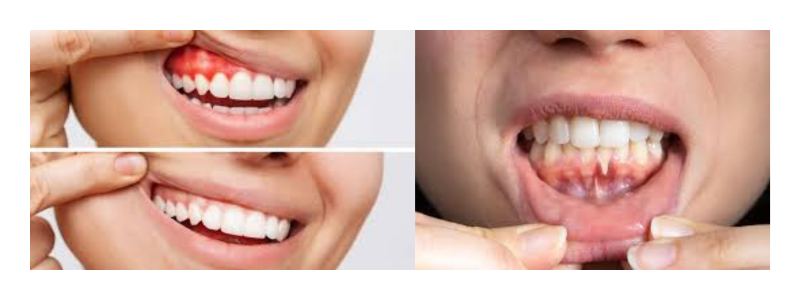
Gum Disease That Hurts Gums, Loosens Teeth & Steals Smiles
Periodontal disease, which is sometimes called gum disease, is a type of inflammation that occurs in the gums and supporting bones around your teeth. It starts when gingivitis is present, which is the red, swollen, and bleeding gums that are reversed when the problem is addressed on time. Without control, it progresses to periodontitis, a more destructive form that destroys bone and soft tissues and could result in tooth loss.
Early diagnosis offers the best chance for successful treatment. Detecting gum disease in its initial stages allows you to reverse the condition before any permanent damage occurs. In this guide, Jamaica 26 Dentistry will take you through the causes, symptoms, progression, treatment, and prevention of the gum disease with professional skill and care that can protect and preserve your smile.
What Is Gum Disease?
Gum disease is an infection that attacks both the gums and the bone that supports the teeth. It may start with a mild gum irritation and gingivitis. It is at this stage that the gum is likely to be red, swollen, and even bleeding during cleaning, either with a brush or a floss. Periodontal gingivitis can be treated by brushing and taking care of the mouth regularly, and flossing. When gingivitis is not treated, it becomes periodontitis. This is a serious type of gum disease that destroys the bone and tissues that hold the teeth. Over time, the gums pull away from the teeth, creating deep pockets. This can lead to loose teeth and, in severe cases, tooth loss.
Gum disease leads to loss of teeth in adults and is a common disorder affecting millions of people around the world.
Stages of Gum Disease
Gum disease does not occur suddenly. It evolves gradually, passing through a number of phases. The damage can be prevented with early detection before the effects become irreversible. This is how it follows:
1. Gingivitis—The Reversible Stage
Gingivitis is the basic and initial type of gum disease. At this point, plaque is deposited on the teeth and causes the gums to turn red, enlarge, and become sore. During the process of flossing and brushing, the bleeding may occur. Gingivitis is reversible. Gums may come back to a healthy condition with regular brushing and flossing as well as professional cleanings.
2. Early Periodontitis—Hidden Damage Begins
Without treatment, gingivitis may lead to early periodontitis. Below the gumline, plaque sets in and becomes tartar, forcing the gum to recede from the teeth. Small pockets start to form and bacteria start accumulating. Bone loss can begin as early as your 40s. Gums can still bleed and feel sensitive, but pain is not always there.
3. Moderate Periodontitis
During the further progression of the disease, the damage to bones and tissues is more evident. There may be recession of the gums, slight loosening of teeth, and bad breath (halitosis) also occurs. Infection spreads further on the lower portions of the bone and gums. At this point, the damage has become irreversible, though treatment is possible to slow or prevent it.
4. Advanced Periodontitis – Severe Damage and Tooth Loss
Gaps develop deep pockets around the teeth in this last phase, and the gum shrinks more with teeth moving or loosening. The loss of bone will become severe, and chewing will be painful, and then the infection might spread to the other areas of the body.
Risk Factors and Causes
Gum disease is often initiated by plaque, which is a sticky surface of bacteria that builds up when brushing and flossing are neglected. The plaque solidifies into tartar and causes inflammation and infection of the gums. However, it is not the only oral care issue. One of the most significant risk factors is smoking, which impairs the body’s capacity to heal and blood circulation. Other diseases like diabetes, autoimmune diseases, and hormonal changes associated with pregnancy or menopause increase the sensitivity of the gums and their ability to resist bacteria. Your gum response to infection may also be genetic. The immune system is also suppressed through stress, adding to the vulnerability. Outside the mouth, gum disease is associated with some severe health issues, such as heart disease and stroke. These risk factors not only cause gum disease but also enhance it. Knowing these factors early is key to protecting your smile and preventing lasting damage.
Diagnosis & Professional Evaluation
How Gum Disease Is Detected
The process of gum disease diagnosis includes a comprehensive visual test that needs to be conducted to detect signs such as redness, swelling, or bleeding. The dentist then uses periodontal probing to measure the gum pocket depth. 1-3 mm healthy gums; greater depth may suggest periodontitis. X-rays are often used to assess bone loss beneath the gum line. These methods are essential to early detection in order to prevent further progression. At Jamaica 26 Dentistry, skilled assessment will guarantee proper diagnosis and individual care and establish a clear path toward the preservation of your gums and smile so that more serious problems are avoided.
Treatment Options Based on Stage
From Early Reversal to Advanced Solutions
Treatments for gum disease rely on the progression of the disease. The damage done can in many cases be reversed; however, at a more advanced stage, it may need special treatment to help keep the disease at bay and help your teeth remain intact.
Non-Surgical Treatments
For mild cases of gingivitis, simple but effective methods can restore gum health. This includes:
Antibacterial rinses and improved oral hygiene. Routine brushing and flossing, as well as mouthwash containing medication, can decrease bacteria and swelling. These are the crucial steps in rolling back early gum disease and stopping it from worsening.
Scaling and root planing: This procedure, also called a deep cleaning, removes plaque and hardened tartar from below the gum line. It polishes tooth roots to allow the gums to rejoin the teeth, and this lowers the depth of the pockets and prevents early and moderate periodontitis cases from progressing.
Advanced Treatment Options
In moderate or severe stages of gum disease, non-surgical care may prove insufficient. In such cases, more elaborate proceedings are necessary, e.g.:
Periodontal surgery or flap surgery: This method includes elevating the gums in order to flush down deep pockets of germs and tartar properly. The gums are then set into a proper position to be fitted tightly around the teeth to avoid further infection.
Bone grafting and guided tissue regeneration: The advanced procedures are also geared towards replacing lost bone and gum tissues that result from extreme periodontitis. Bone grafts lay a solid foundation on which fresh growth is possible, and guided tissue regeneration stimulates the body to grow healthy gum attachment.
In Jamaica 26 Dentistry, all treatment plans are customized. We are specialized in saving the teeth and reversing the disease process with conservative, esthetic care that achieves gum health and confidence. We use superior technology and tried and tested methodologies to ensure that the patient is able to wear the same natural smile many years later.
Daily Habits That Keep Your Gums Healthy
Preventing gum disease starts at home and continues in the dental chair:
- Brush twice daily with a soft-bristle toothbrush
- Floss once a day to clean between the teeth
- Rinse with an antimicrobial mouthwash
- Avoid smoking and limit sugary foods
- Maintain a healthy diet and control health conditions like diabetes
- Visit your dentist every 6 months for cleanings and checkups.
These simple practices will take you a long way to ensure that gingivitis does not develop into periodontitis. Gum disease can, in many cases, be prevented altogether through regular oral care and frequent professional observation.
Why Choose Jamaica 26 Dentistry for Gum Disease Care?
Jamaica 26 Dentistry is your solution to periodontal problems with the support of highly technological diagnostic equipment and effective, painless procedures. We develop personalized care regimens, tailored to your gum health requirements. Our priority is patient comfort and a subsequent state of oral health. Extensive appointment availability and a comfortable, friendly atmosphere accompany you in gum health care.
Conclusion & Call to Action
Gum disease might develop without notice, but the consequences of the disease on your health and your smile can be serious. Not treating it results in swelling of gums and loss of teeth. Timely diagnosis and preventive treatment can nip it on its heels.
If you notice symptoms like bleeding gums, bad breath, or loose teeth, don’t wait—schedule your gum check-up today at Jamaica 26 Dentistry.
FAQs
Can gum disease be cured completely?
The initial stage of gum disease, called gingivitis, is reversible by taking care of mouth and getting your teeth cleaned by a dentist. Nevertheless, it becomes incurable when it reaches the stage of periodontitis. It can be delayed, and its symptoms can be controlled by intervention and treatment in time.
How do I know if I have gum disease?
The most typical symptoms are bleeding during brushing, swollen and tender gums, chronic bad breath, and gums receding around the teeth. There are instances when gum disease occurs painlessly, and so regular dental visits are needed.
Can gum disease cause tooth loss?
Yes. In its advanced stages, gum disease can damage the bone that supports your teeth, leading to tooth loosening or even complete tooth loss. This is why early diagnosis and timely treatment are essential.
Is gum disease linked to other health problems?
Yes. Gum disease is linked to the occurrence of heart diseases, diabetes, stroke, and respiratory diseases. Adequate gum health is a factor in good health.
How often should I visit the dentist if I have gum disease?
Individuals who have gum disease can require additional cleanings of 3 to 4 months to take care of the gums and stop further harm.