
Facial Trauma
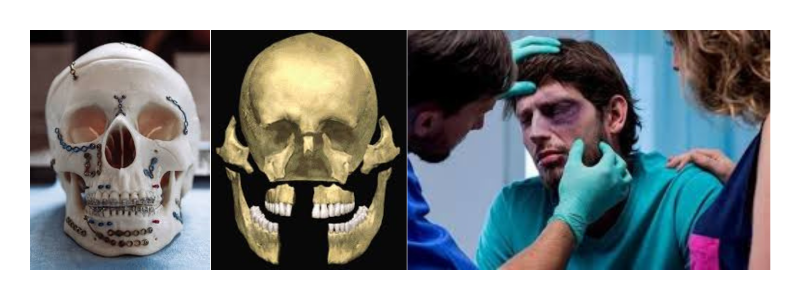
Facial trauma denotes any damage to the face comprising skin, underlying bones, muscles, nerves, and soft tissues. These injuries are caused by blunt force, penetrating trauma, or burns, and they can target vital functions like vision, breathing, chewing, and talking. In addition to the physical damage, facial injuries are quite severe psychologically, because of how their effects on appearance and social relations cause anxiety, depression, and lower self-esteem.
Facial anatomy is very complicated and, therefore, even minor injuries may give rise to long term problems, unless they are treated well. Early and specialized management is necessary to recover both form and function. Management is usually multidisciplinary and might comprise oral and maxillofacial, ENT (ear, nose, and throat) specialists, and plastic or reconstructive surgeons.
Trauma recovery and cosmetic restoration are more effective when preceded early with the personalized approach. Read more about how your face heals after trauma at Jamaica 26 Dentistry.
What Is Facial Trauma?
Facial trauma can be defined as any type of physical damage to the face, which includes bones, soft tissue, skin, and nerve damages. Such injuries can be caused by accidents, falls, sports injuries, physical assaults, or high-impact events. Facial trauma varies from small scalp and bruises to complicated fractures and deformation. Visit Jamaica 26 Dentistry and get affordable treatments for different types of facial traumas.
Common Facial Structures Affected
Facial trauma can affect several vital structures, including:
Bones: Including the nasal bones, cheek bones (zygomatic), jaw bones (maxilla and mandible), and orbital (eye socket) area.
Soft Tissue: Intraoral soft tissues, such as the tongue or salivary glands, connective tissues, muscles.
Skin: Wounds, cuts, abrasions or burns which could cause scars.
Nerves: Numbness, tingling, or paralysis of face may occur after damage, especially to facial or trigeminal nerves.
Importance of Immediate Medical Attention
It is crucial to diagnose and treat facial trauma in early stages. The result of delay may include infection, inadequate healing of the bones, and experiencing an ugly scar, loss of functioning (e.g. eyesight or speech impairments), and psychological trauma. Emergent medical care can be used to achieve proper realignment, lower the risk of complications, and rapidly restore both form and functionality.
Types of Facial Trauma
Facial injuries may involve sinuses, skin, underlying tissues, or intricate bone fractures. The following are some of the common facial injuries with short descriptions:
Soft Tissue Injuries
These are cuts, bruises, scraps, and burns. They usually occur externally, the injury to more intraoral soft tissues, including facial nerves, muscles, and blood vessels, needs careful reconstruction to prevent possible life problems or post-traumatic cosmetic and functional issues.
Fractures
Facial bone fractures can have a serious effect on both functionality and aesthetics. They are usually the result of high impact traumas and may need surgical realignments.
Nasal Fracture
One of the most common types of facial fracture, typically caused by sports accidents or physical violence. Symptoms include nose bleeding, swelling and breathing difficulty.
Orbital (Eye Socket) Fracture
Orbital fractures may affect eye movement and vision. It can cause sunken eyes, blurred vision, or optical nerve damage.
Zygomatic (Cheekbone) Fracture
Includes the bone that forms the cheek and a portion of the orbits. Displacement may distort facial proportions and disrupt the work of jaws.
Maxillary (Upper Jaw) Fracture
May affect the structure of the mid-face, sinuses, and upper teeth. In extreme cases, bite misalignment and collapse of the face may occur.
Mandibular (Lower Jaw) Fracture
Influences chewing, speech, and movements of the jaw. These fractures tend to need plates or wires to stabilize them.
Dental Injuries
Dental injuries can lead to a broken, cracked, dislocated or knocked out a tooth. This damage must be treated early using dental care or surgical procedures to maintain a balanced face.
Eye and Vision Injuries
These may be caused as a result of blunt or perforated injury. These injuries include eyeball injury, lid injury, or optic nerve injury, which might cause temporary or permanent blindness.
Combined Trauma
In many cases, patients will have a combination of all the mentioned injuries, necessitating the use of a multidisciplinary strategy to treat multiple injuries such as a combination of skeletal, soft tissue, and intraoral tissues.
Causes of Facial Trauma
Facial trauma can be caused by a traumatic injury in a variety of accidents involving direct contact, sudden violence, or sharp injury. The different causes of facial trauma are given below:
- Facial injuries are common because of the collisions with a steering wheel, windshield or airbags during car crashes.
- Sports injuries occur especially in contact games such as football, boxing or hockey where unintended punches, falls or equipment impact on the face.
- Children and the elderly may fall causing bruises, broken bones, or gashes on the face.
- Physical violence is a common source of trauma to the face, often resulting in injuries in the form of a fracture, swelling, or lacerations due to punches, kicks, or blunt items.
- Accidents occurring in the workplace, whether in a construction site or factory, can include falling tools or equipment, machine malfunctions, or slips and falls causing facial injuries.
- Bites or bite scratches by dogs or other animals may result in severe soft tissue injury and increases infection risk.
- One of the most severe types of facial trauma is firearm or penetrating injuries, which frequently cause significant damage, with surgery necessary to repair it.
Symptoms and Diagnosis of Facial Trauma
Facial trauma occurs with diverse symptoms that assist in identifying the severity and location of the trauma. The main symptoms and diagnostic tools are as follows:
- The injury may show visible swelling, bleeding, or even bruising directly after the injury, which is a sign of a soft tissue injury or concealed fractures.
- Fractures, swelling, or misalignment of the nose, jaw, or airway may cause difficulty in breathing, chewing or speaking.
- A malaligned jaw or bite can indicate a fracture of the mandible (lower jaw) or the maxilla (upper jaw). This needs to be treated immediately.
- The presence of numbness or facial weakness can point to nerve damage, particularly if case orbital or facial nerves are impaired.
- X-rays, CT scans, physical examination, among other diagnostic tools can help evaluate the level of broken bone, soft tissue, and nerve damage.
- It is important to diagnose early to avoid complications and guarantee long lasting results.
Emergency Care and First Aid for Facial Trauma
Facial injuries respond well to urgent intervention. The most important emergency actions are presented below:
- In case of heavy bleeding, difficulty breathing, loss of consciousness, severe swellings, and suspected fractures, consult a medical professional. These symptoms can be signs of danger to life or severe structural damage and they need to be treated medically as soon as possible.
- Gently use a clean cloth to stop the blood flow, elevate the head with the aim of preventing swelling, and do not open the jaw or move the injured spot before medical assistance arrives. When a tooth gets knocked out, one should put it in milk or saline and bring it along to the dentist or emergency room.
- Failure to treat early may cause complications like infection, ineffective bone repair, scarring, and permanent nerve damage. Early intervention ensures improved functional and cosmetic restoration.
Treatment Options for Facial Trauma
Following are the treatment options , a physician choose to treat facial Traumas:
Non-Surgical Treatments
Most injuries to the face do not require any surgical procedure, particularly when mild or simple in nature. During the early stages, the use of ice packs can reduce swelling and pain. Management of pain with over-the-counter or prescribed products enhances comfort among patients. To prevent infection and healing of the cuts and bruises, proper wound care is necessary. In case of dental injury, dental wire or dental splinting can be applied to anchor the loose or broken teeth. Antibiotics are prescribed in situations when there is a risk of infection to minimize complications and increase recovery.
Surgical Treatments
The more serious injuries usually necessitate surgical closure to regain both appearance and functionality. An open reduction and internal fixation (ORIF) is a routine procedure involving the realignment and stabilization of the displaced fractured bone by the use of plates, screws or wires. In severe bone loss, bone grafts or reconstructive surgery are useful in restoring the facial structure. Injuries affecting the nerves affect the senses and cause paralysis of the face. In such cases, the facial nerve repair procedures help restore the sensation and mobility. Cosmetic restoration may be applied where required to enhance appearance and symmetry, following healing of trauma, thereby restoring functionality and patient confidence in some cases.
Recovery and Aftercare
The important facts to know about the recovery and after care of facial trauma are as follows:
- Depending on the nature and extent of the injury, recovery periods could take a few weeks with some wounds, or months on end with complicated fractures and operations.
- It is usually preferred to start with soft or liquid diets so that it does not cause a strain on healing bones and tissues and move to the normal food as healing permits.
- To manage pain, medications may include prescription or over-the-counter drugs to manage discomfort and inflammation throughout the healing process.
- Restoring full functioning may require physical therapy, particularly when the trauma or surgery involves the jaw, facial muscles or facial nerves.
- It should be monitored over a long period of time to identify and maintain any potential complications including damage to nerves, vision alterations, or bite difficulties. Follow-up visits are regular to monitor proper healing and intervention in intraoral problems arise.
Complications and Risks
The following are main complications and risks of facial trauma that patients should note:
- Improper treatment of wounds or fractures can cause infection, which may have severe health consequences.
- Cuts or surgical incisions might leave scars that interfere with appearance necessitating additional cosmetic surgery.
- Facial asymmetry may arise due to fractures that have not been healed properly or tissue injuries, which affect both the functionality and esthetics of an individual.
- Post-traumatic chronic pain or temporomandibular joint (TMJ) disorder can arise as a result of trauma, resulting in chronic pain or inability to chew.
- Trauma leading to development of psychological trauma such as post-traumatic stress disorder (PTSD) and anxiety may occur as a result of appearance changes or the experience of the trauma.
Preventing Facial Trauma
Below are effective ways to prevent facial trauma:
- To minimize the risk of injury, it is important to wear the right protective equipment when engaging in athletic activities including helmets, face shields, and mouthguards.
- Wearing seatbelts regularly and driving safely contributes to the prevention of injuries to the face during road traffic accidents.
- Adherence to workplace safety guidelines such as the use of hard hats and face shields guard against injuries related to machinery or the incidental dropping of objects.
- By preventing physical conflicts and violent confrontations, it reduces the chances of trauma induced due to assault or fight.
FAQs
How long does it take to recover from facial trauma?
The recovery period depends on the nature of the injury. Light bruises or minor cuts might recover in 1-2 weeks, where fractures require 4-8 weeks or more, depending on surgery. More complicated cases with multiple injuries can also take several months to heal and require multiple follow-ups.
Can facial trauma cause permanent damage?
Yes, untreated, facial trauma may cause life-long difficulties, including nerve damage, scarring, facial asymmetry, or functional issues with sight, breathing, or speech. With early medical intervention, these risks are reduced, and long-term prognoses are enhanced.
Will I need reconstructive surgery?
Injuries that involve either appearance or functionality, including bone displacement, flesh loss, or facial deformity, may require reconstructive surgery. Your physician will evaluate your condition and revert to surgery only in the case of restoring proper structure and function.
How is facial trauma treated in children?
Children are handled with special care to avoid breaking developing facial bones. Less serious injuries can be treated with minimal care, whereas fractures can require gentle stabilization. Treatment is provided by a pediatric-oriented team that facilitates not only recovery but also the healthy growth of the face.
Can facial trauma affect mental health?
Yes, injuries to the face can seriously affect the mental health of an individual. Deformation of appearance, pain, or loss of facial function can result in anxiety, depression, or post-traumatic stress disorder (PTSD). Discussion of physical and emotional healing of trauma is significant. Visiting a counselor or mental health professional is a good step in the recovery process.