Dental Sealants
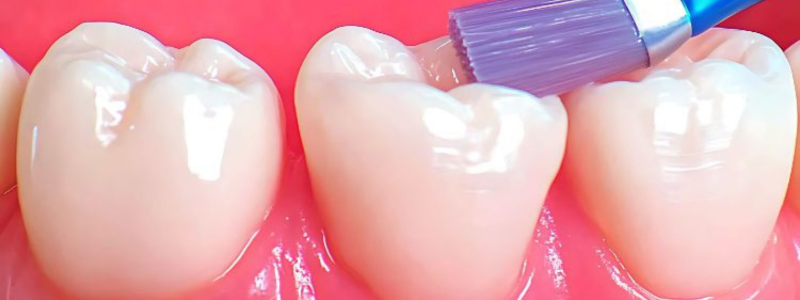
The most common chronic illnesses among kids and adults are because of tooth decay. When patients have poor oral health and irregular dental checkups, the deep grooves on molars are places for the development of cavities. Dental sealants are a preventive, non-invasive treatment that will protect your teeth from cavities. Dental sealants are an invisible shield that prevents bacteria and plaque buildup. Sealants are easy to place and are long-lasting and cost-efficient dental method of maintaining your natural smile
What Are Dental Sealants?
Dental sealants are very thin plastic-like layers that are placed over the chewing surfaces at the back of the teeth, which include the premolars and the molars. These are the areas where other pits and crevices are present, and cleaning them with an ordinary brush becomes very difficult. Due to time and the presence of food particles and bacteria, these areas fill up and pave the way for cavities.
Sealants produce a smooth surface which excludes food and bacteria and minimizes the chances of decay tremendously. Once the bonding occurs, the material hardens, and develops a protective coating that may extend and provide durability.
Who Should Get Dental Sealants?
Children and Teenagers
Children are the most common candidates for dental sealants. Their molars usually come in around ages 6 and 12, and sealed early to offer maximum protection. Kids often struggle with thorough brushing, making sealants a key preventive step.
Adults
Dental sealants are good for people whose molars do not have cavities or fillings. Protecting your teeth is always a good idea, especially if you have previous records of decay.
High-Risk Patients
Patients with deep grooves, a history of cavities, poor oral hygiene, or diets high in sugar are ideal candidates. Individuals undergoing orthodontic treatment may also be advised to consider sealants for added protection.
Benefits of Dental Sealants
Prevent Cavities: Sealants can prevent cavities by approximately 80 percent in the back teeth. This shielding mechanism ensures food and bacteria not penetrate the crevices that are difficult to clean up.
Long-Lasting Protection: Proper oral care makes sealants last a maximum of 10 years. Dental checkups are regular, and they ensure overall well-being over time.
Quick and Painless Application: Application of dental sealants is fast, easy and pain free. It does not require drills and needles.
Cost-Effective Preventive Care: Sealants are preventive and cost a lot less as compared to the treatment of the cavity or the filling. Sealants may be covered under insurance especially for children, and as such are a good preventive expense.
Natural Tooth Preservation: By stopping the tooth decay, sealants help to preserve your teeth by preventing cavities and by avoiding fillings, crowns or extractions in the future.
Treatment Procedure
Step 1: Examination and Cleaning
Your dentist will begin with a thorough dental exam to ensure the teeth are cavity-free. The chewing surface is cleaned to remove tartar and plaque buildup.
Step 2: Drying and Isolation
Each tooth is dried and isolated using cotton or a rubber dam to keep moisture away. The tooth surface must be completely dry to adhere properly.
Step 3: Etching
A mild acidic solution is applied to roughen the tooth surface slightly. This helps the sealant bond securely to the enamel.
Step 4: Rinsing and Drying Again
The teeth are rinsed and dried again after etching to ensure the bonding area is clean or not.
Step 5: Sealant Application
Sealant material is applied onto the chewing surface. It flows into the grooves and hardens either by itself or with the help of a curing light.
Step 6: Evaluation
Your dentist will examine the sealant to ensure it’s fully hardened and properly covers all necessary areas. Minor bite adjustments may be made if needed.
What Materials Are Used?
Dental sealants are made from:
- Resin-Based Sealants: Provides superior durability and adherence.
- Glass Ionomer Sealants: Glass ionomer sealants are frequently utilized in situations where moisture control is challenging because they gradually release fluoride.
- Hybrid Sealants: provide strong adhesion and fluoride release.
How Long Do Dental Sealants Last?
Sealants can protect teeth for up to 5 to 10 years, but they require regular dental visits.
- Chips or wear
- Loss of coverage
- Leakage
Are Dental Sealants Safe?
Dental sealants are safe. These are thin coatings placed on the chewing surfaces of back teeth to prevent cavities. Sealants are made of safe dental materials, are safe for all patients, and are applied to both adults and children. Studies reveal that the levels are extremely low and not dangerous, even if some may include very small quantities of specific substances. All things considered, dental sealants provide a secure and efficient means of preventing tooth decay.
Sealants for Baby Teeth?
Although the majority of sealants are used on permanent teeth, dentists occasionally suggest applying sealants on infant teeth. Sealing a child’s primary molars can help preserve the space until the permanent teeth erupt if they have deep grooves or early decay indicators.
Before suggesting sealants for baby teeth, our pediatric professionals at Jamaica Dentistry 26 evaluate each child’s dental needs.
Can Adults Get Sealants?
Yes, sealants are beneficial for adults with healthy molars that have never been filled. Bad flossing practices or dietary decisions can cause molar decay in many adults.
Our dentists at Jamaica Dentistry 26 will be pleased to determine your eligibility if you have never had sealants or if you are having recurring problems with your molars.
Do Sealants Affect Chewing?
No. Sealants are very thin and precisely match the natural shape of the tooth. When chewing, the majority of patients experience no change. Usually, any slight unevenness is fixed immediately following placement.
Post-Sealant Care Tips
- Avoid hard foods
- Maintain Good Oral Hygiene
- Brush twice a day, floss daily, and use fluoride toothpaste.
- Routine Dental Check-Ups
- Use a Mouthguard
When Should Sealants Be Replaced?
Sealants don’t last forever. Signs that you might need a replacement include:
- Visible wear or chipping
- Sensitivity in sealed teeth
- Appearance of cavities under sealant
Are Sealants Covered by Insurance?
Most dental insurance plans cover the cost of dental sealants for children under a certain age, typically up to 14 years. Adult coverage varies, so it’s best to verify with your provider.
We at Jamaica 26 Dentistry offer insurance assistance and flexible payment plans to ensure access to preventive care for all families.
FAQs
At what age should children get dental sealants?
Most children should receive sealants on their first and second molars as soon as they erupt, usually around age 6, and then again at age 12. Early application ensures the best protection.
Can sealants fall off?
Yes, sealants can wear down or come off over time, especially if exposed to sticky foods or teeth grinding. Regular dental visits help detect and fix any issues early.
Are dental sealants better than fluoride?
Both serve unique purposes. Sealants block out bacteria in grooves, while fluoride strengthens enamel. Ideally, they should be used together for optimal protection.
Do sealants taste bad?
The material used in dental sealants may have a mild flavor, but it’s not unpleasant or harmful. Taste usually fades quickly after application.
Can I get a cavity under a sealant?
Yes, if the sealant becomes chipped or doesn’t fully cover the grooves. Regular exams at Jamaica Dentistry 26 ensure the sealant stays intact and effective.