
Dental Check-ups
 How Dental Check-ups Keep Your Smile Healthy
A bright smile goes beyond an attractive look; it is a sign of good health and a source of confidence. You can do brushing and flossing at home, but for thorough oral hygiene, you need to have regular dental check-ups. These routine visits to your dentist are not only to fix your problems but to prevent them before they hurt you. At Jamaica 26 Dentistry, you will explore various ways in which professional dental care keeps your smile healthy, vibrant, and strong for a life-time.
The Core Benefits of Regular Check-ups
Identifying Early Problems
One of the most important aspects of a routine dental check-up is the identification of dental issues that can not be seen by the naked eye. Problems like small cavities, tooth cracks, or the early stages of gum disease can begin to develop without any pain or visible symptoms. When you start to feel discomfort, the issue often gets worse. At that time, the issue may require more extensive, and sometimes more painful, treatment.
During a check-up, a dentist uses specialized tools to spot these minor issues before they become major concerns. For example, by detecting a small cavity, a dentist may apply a simple filling, which is a much easier and more affordable procedure than a root canal or tooth extraction. This early detection is the first and foremost step to protect your oral health.
The ability of a dental professional to diagnose problems in their initial stage is a feature of preventative care. They can use dental X-rays to look inside and between your teeth, checking for decay that is not visible on the surface. They also examine existing fillings, crowns, and bridges to make sure they are in good condition. The regular dental check-up ensures that small, manageable problems do not have the chance to grow into complicated and costly dental emergencies. Dental Professionals at Jamaica 26 Dentistry provide you a regular dental check ups at affordable prices.
Professional Cleaning for a Fresh Feel
There are some shallow areas in your mouth that can not be reached with brushing or flossing for perfect and complete cleaning. Professional dental cleaning helps you in this scenario. A dentist uses special instruments to remove the built-up plaque and hard tartar from your teeth.
Plaque is a sticky, colorless film of bacteria that forms on teeth. It is the main cause of cavities and gum disease. When plaque is not removed, it hardens into tartar, which cannot be removed with a regular toothbrush. This buildup causes gum inflammation and tooth decay. The deep cleaning performed by a dental professional is the only way to effectively remove tartar and keep your gums healthy.
A professional cleaning comprises various steps, ensuring that your mouth feels incredibly fresh and clean. The hygienist will first use an ultrasonic scaler to gently rub away tartar from the tooth surfaces and below the gumline. This step is followed by a complete polishing of your teeth . Many cleanings are finished with a fluoride treatment, which helps to strengthen the enamel on your teeth and make them more resistant to decay.
The feeling of a freshly cleaned mouth is an immediate benefit of a dental check-up. The removal of stains from coffee, tea, or other foods can brighten your smile naturally. It gives you a quick boost in appearance. But the real advantage is the removal of the harmful bacteria that contribute to disease. This professional treatment is a crucial part of a complete oral hygiene routine, and it is something that cannot be done at home.
Preventing Future Issues
A dental check-up is not just about cleaning and finding existing problems; it effectively prevents you from future dental complications. The dentist educates you at every visit about the best possible methods to care for your teeth and gums at home. They guide you on how to brush and floss accurately to prevent oral issues. This personalized guidance helps you build better habits that can prevent tooth decay and gum disease from starting. The dentist transforms your dental visit from a reactive one to a proactive one.
Preventative measures taken during a check-up, like fluoride treatments and dental sealants, are common ones. Fluoride is a mineral that strengthens tooth enamel and helps to repair the early signs of decay. It is applied as a quick, easy treatment after your cleaning. Dental sealants are a protective coating applied to the chewing surfaces of your back teeth, which are difficult to clean. These sealants act as a shield that prevents food particles and bacteria from going into the tiny and shallow areas and causing cavities. Both of these treatments are simple, painless, and highly effective at protecting your teeth from future damage.
The preventative nature of a dental check-up is also followed by health advice. The dentist can offer guidance on issues like dry mouth, which can increase the risk of cavities, or suggest solutions for teeth grinding, which can cause significant dental damage with the passage of time. The dentist advises you about the proper intake of a nutrition-enriched diet and to avoid bad habits like smoking.
What Happens During a Dental Visit
A Thorough Examination
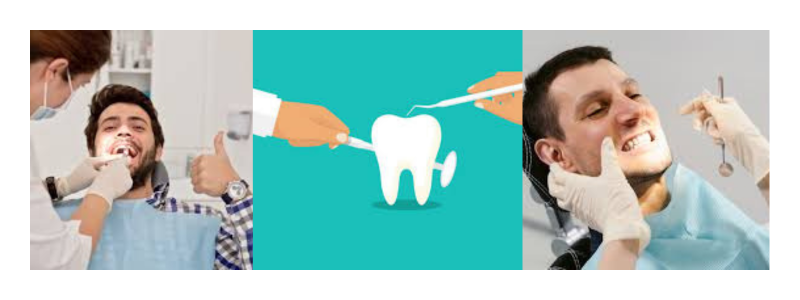
When you visit the dentist for a check-up, the first part of the appointment is a thorough examination of your entire mouth. The dentist will use a small mirror and a light to carefully inspect each of your teeth for any signs of decay, chips, or fractures. They will also look at the condition of your existing dental work, such as fillings, crowns, and veneers, to ensure their proper functioning.
The dental check-up not only restricts your teeth, but the dentist also checks the health of your gums, tongue, cheeks, and the palate of your mouth.. They assess the way your upper and lower teeth come together, checking for any alignment issues or problems with your bite. The jaw joint itself is also examined to make sure it is functioning correctly and is not causing any pain or discomfort.
Screening for Oral Health Issues
A dental check-up does screening for more serious health issues. A dentist detects the early signs of oral cancer. During the exam, they will carefully look for any abnormal patches and sores that do not heal. Early detection of oral cancer is necessarily for successful treatment, and a regular dental check-up is one of the best ways to get this screening done. This simple and quick dental exam can be lifesaving; therefore, these appointments should never be missed.
The dentist also screens for signs of gum disease, which is a chronic inflammation that can have serious effects on your overall health. They will check for inflamed or bleeding gums and measure the pockets around your teeth. Untreated gum disease can result in tooth loss, and it also has connection with other systemic health conditions, including heart disease, stroke, and diabetes. By catching gum disease early, the dentist can help you manage gum disease and prevent it from affecting your general health via early detection.
The Link to Overall Wellness
Keeping Gums Healthy
The health of your gums is a vital part of your overall health, and you can maintain it through a dental check-up. The mouth is a gateway to the entire body, and the bacteria that cause gum disease can find their way into your bloodstream. Gum disease is a chronic inflammatory condition, and this inflammation can spread to other parts of the body. By keeping your gums healthy, you are not only protecting your teeth, but you are also contributing to the health of your entire body.
A Boost for Your Self-Confidence
A healthy and clean smile has a significant impact on one’s self-confidence and quality of life. When you know that your teeth are well-cared for and your breath is fresh, it can make you feel more comfortable in social gatherings. When you are not worried about the appearance of your smile or the state of your teeth, you can engage with others more freely and with more confidence. When you leave the dental clinic with clean, smooth, and stain-free teeth, it gives you an immediate sense of confidence that can last for months.
Getting Personalized Advice
A dental check-up is an important opportunity for you to get personalized advice according to your specific needs. The dentist can offer guidance that is based on the unique condition of your mouth. For example, if you have sensitive teeth, they can recommend specific toothpaste and home care techniques to help. If you have a dry mouth, which can increase your risk of cavities, they can suggest ways to manage the condition. This personal connection and advice are a key part of the value of a dental visit.
This personalized guidance also includes advice on your diet and lifestyle. The dental team can discuss how your eating and drinking habits might be affecting your teeth. They can explain how a certain diet might lead to more acid attacks on your enamel or how sugary drinks can increase your risk of cavities. This kind of advice helps you make better choices for your oral health in your daily life. A dental check-up is a true partnership between you and your dentist, as both have the same goal of keeping your smile beautiful and healthy.
Your Role in Maintaining a Healthy Smile
Brushing and Flossing Habits
Your daily habits at home are equally important in maintaining a healthy smile. The basic habits are brushing and flossing. You should brush your teeth at least twice a day for two minutes each time, using a soft-bristle brush and fluoride toothpaste. Brushing helps to remove the plaque and food particles from the surfaces of your teeth and gums. It is important to use the correct technique, making sure to clean all sides of your teeth.
Flossing is often overlooked, but it is equally important as brushing. You should floss at least once a day to remove plaque and food particles from between your teeth and under the gumline, where a toothbrush cannot reach. These areas are prime spots for cavities and gum disease to start. The dentist or hygienist can show you the correct way to floss during your check-up.
The Importance of a Healthy Diet
Your diet plays an important role in the health of your teeth and gums. Foods and drinks that are high in sugar and carbohydrates can feed the bacteria in your mouth. These bacteria produce acids, which then attack and weaken your tooth enamel. To protect your teeth, it is important to limit the consumption of sugary drinks, candies, and snacks. On the other hand, a diet rich in fruits, vegetables, proteins, and dairy products is beneficial for your oral health. Foods that contain calcium and other vitamins help to strengthen your teeth and gums.
Water is also a very important part of a healthy diet for your teeth. Drinking water throughout the day helps to wash away food particles and neutralize acids. It also helps to keep your mouth hydrated, which is important for producing saliva, which naturally protects you from tooth decay. A healthy diet is not just good for your body; it is a key component of a healthy smile.
When to Schedule Your Next Appointment
You will have to be consistent in dental check-ups to get the full benefits of dental check-ups. It is generally recommended to schedule a visit every six months. For some people who are at a higher risk for cavities or gum disease, a dentist may recommend more frequent visits. The six-month interval is ideal because it gives the dentist a chance to detect any new problems in their earliest stages. It also ensures that you receive a professional cleaning at a regular interval to remove any tartar buildup. By following the advice in this guide and making regular check-ups a priority, you are taking the best possible steps to protect your oral health.
FAQs
How often should I go to the dentist?
Most dentists recommend a check-up every six months. This allows them to identify all potential problems, like small cavities or gum disease, before they become serious. Your dentist might suggest more frequent visits if you have a history of dental problems.
Is brushing and flossing at home not enough?
It is true that daily brushing and flossing are important, but they cannot reach all the areas in your mouth. A dentist uses special instruments to remove plaque and tartar (hardened plaque) from your teeth, especially below the gumline. This professional cleaning is essential for preventing cavities and gum disease.
What happens during a dental check-up?
A check-up includes a thorough examination of your teeth and gums to observe any signs of decay, cracks, or disease. Your dentist will also check for early signs of oral cancer. This is followed by a professional cleaning to remove plaque and tartar. The visit gets completed with a polishing and fluoride treatment to strengthen your teeth.
Why are dental X-rays necessary?
Dental X-rays allow your dentist to look for what’s happening inside and between your teeth and under your gums. They can identify hidden problems like cavities between teeth, bone loss from gum disease, or issues with your jaw. X-rays are primarily used for diagnosing problems that are not visible during a regular exam.
Do dental check-ups really affect my overall health?
It is definite that the health of your mouth is directly connected to the health of your body. The bacteria that cause gum disease can enter your bloodstream and have been linked to other serious conditions like heart disease and diabetes. Regular check-ups help keep your gums healthy, which ultimately helps you protect your overall wellness.