
Fluoride Treatment
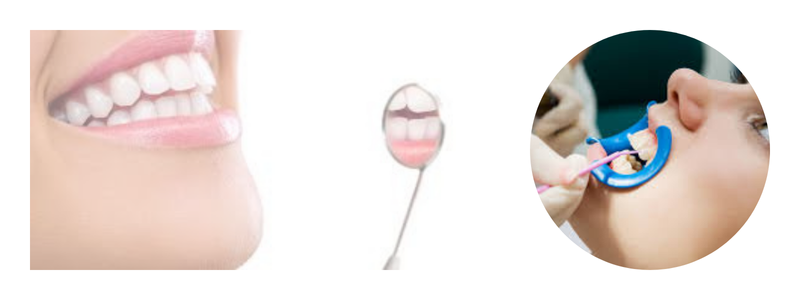
Strong teeth are the foundation of a healthy smile, and fluoride treatment is one of the easiest and the most efficient ways to keep them cavity-free. Fluoride is found in toothpaste. Professional fluoride treatments at your dentist’s clinic offer even more protection by strengthening enamel against acid attacks and helping with the repair of early decay.
This guide will provide a thorough explanation of everything, including how it operates, who stands to gain the most, and whether it is actually safe. With Jamaica 26 Dentistry, find out how a simple and comfortable fluoride treatment can have a long-lasting effect.
What is a Fluoride Treatment?
Fluoride treatment keeps the teeth strong and healthy. Dentists apply a layer of fluoride varnish or gel to the teeth. It protects the enamel against the damage and reduces the risk of cavities. It helps in repairing minor areas of early tooth decay before they become more complex issues. At Jamaica 26 Dentistry, we offer these cost-effective treatments by our top professionals.
Sign and Symptoms
Below are the sign and symptoms:
- White or brown colored spots appeared on the teeth
- Teeth may feel sensitive to hot, cold, or sweet foods
- Early signs include soft areas on the enamel that may turn darker over time
- Cavities may start to form if the enamel becomes weak
- Rough or uneven tooth surfaces may be noticed when touched with the tongue
- Pain or discomfort may occur when chewing or biting
- Teeth may look dull instead of shiny and smooth
Types
- Dentists use fluoride varnishes that provide the teeth long lasting protection
- In some dental clinics, the dentists use fluoride gels
- Some dentists also use fluoride foams to cover overall tooth surfaces
- You can use fluoride toothpaste at home
- Use fluoride enriched mouthwash to add daily protection against cavities
- People who have higher risk of tooth decay should use fluoride gels
Who Can Benefit from Fluoride Treatment
Children and Teens
As teeth in children and teenagers are at a growing stage, they need more dental care. Treating baby teeth with fluoride has two advantages: it prevents cavities and deterioration early.
Adults with High Risk of Cavities
Adults have a greater chance of enamel breakdown because of diet, dental history, or health issues. Fluoride reduces the chance of developing new decay and helps protect enamel.
People with Gum Recession, Dry Mouth, or Orthodontic Appliance
Gum recession can expose the roots of teeth. They become weaker and easier to damage. Dry mouth reduces saliva that normally protects teeth. Braces and other dental appliances make teeth cleaning harder and increase the risk of cavities. Fluoride treatment helps protect these vulnerable areas.
Procedure of Fluoride Treatment
The procedure involves the following steps:
Cleaning the Teeth
In the first step of this treatment, a dentist cleans your teeth to remove plaque and food particles. This will help fluoride stick better to the enamel.
Applying the Fluoride
Your dentist will apply a fluoride-enriched gel, varnish, or foam to your teeth. Sometimes dentists use a small brush or mouthpiece to cover the overall tooth surface.
Waiting Time
After applying fluoride to your teeth, you have to wait for a few minutes so it can soak in and make your enamel stronger.
Aftercare Advice
In the end, the dentist gives you necessary guidelines such as not to drink, eat or wash your mouth for about 30 minutes. It will help fluoride to work in a better way and protect your teeth longer.
Benefits of Fluoride Treatment
Following are the benefits:
Prevents Cavities
- It helps protect teeth from decay by making the enamel stronger
- It reduces the risk of new cavities formation
- It prevents early decay from getting worse
Strengthens Weak Spots in Enamel
Small, weak spots on teeth may appear as acid begins to erode the enamel. Treatment with fluoride restores these areas and prevents them from becoming more complex issues.
Reduces Tooth Sensitivity
Eating hot, cold, or sweet foods can cause sharp pain for many people. By covering exposed tooth surfaces, fluoride therapy can decrease sensitivity and improve tooth comfort.
Cost Effective Preventive Care
Frequent fluoride treatments are quick and easy, but can help prevent more complex dental problems. They save you money on future fillings, crowns, and other dental appliances by preventing cavities and decays.
Safety and Myths
Many people are doubtful whether fluoride treatments are safe or not. Yes, it is safe to use a sufficient amount of fluoride. Dentists and many other health experts agree that professional fluoride treatments and other products such as fluoride-enriched toothpastes and mouthwashes are safe for daily use.
Many people believe that fluoride causes health problems and stains teeth, but these are myths. The truth is that when you use high amounts of fluoride for a long time, it causes teeth staining. But that rarely happens.
Dentists always follow the necessary guidelines to keep your teeth healthy and strong and avoid risk of overuse.
How Often Should You Get Fluoride Treatment?
- People having dry mouth or wearing braces may need these treatments every three to six months
- Individuals with healthy teeth may need it once or twice a year
- Some dentists recommend professional fluoride treatment during routine checkups to keep your enamel strong and prevent new decay
- Regular treatments help protect your teeth and keeps your smile healthy
Complementary Home Care
- Brush your teeth at least twice a day as it removes plaque and keep your enamel clean
- Clean your teeth daily by flossing the teeth area where a toothbrush can not reach
- Eat foods rich in calcium and vitamins as it helps keep your teeth strong
- Limit sugary snacks and drinks
- Use fluoride toothpaste
- Visit your dentist regularly to check your teeth
FAQs
Does fluoride treatment hurt?
No, it’s a simple and painless procedure. You simply wait for a few minutes while the dentist applies fluoride or washes your teeth.
Can adults benefit from fluoride treatment?
Yes, professional fluoride treatment provides extra protection for people with exposed roots, sensitive teeth, cavities, and braces.
How long does fluoride protect my teeth?
Fluoride begins to strengthen enamel immediately upon application and keeps doing so for several months, reducing the chance of decay in between treatments.
Will it cause staining or change tooth color?
Fluoride doesn’t change teeth’s natural color when applied properly in a dental clinic. It is rare for visible stains to show up after very high or prolonged exposure.
How often should I schedule this treatment?
Every six months, during routine cleanings, dentists typically recommend it. More frequent applications might be advantageous for those with greater risk factors, such as dry mouth or a history of dental decay.